 I once said my dogs would never understand why I don’t want them to chase bunnies.
I might have been wrong.
Continue reading

I once said my dogs would never understand why I don’t want them to chase bunnies.
I might have been wrong.
Continue reading
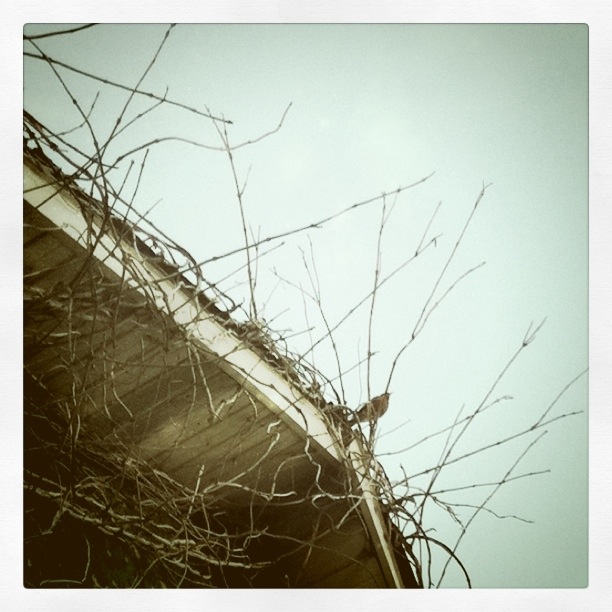 The birds here know it’s Spring. Yesterday, I awoke to the song of a single robin, loud enough to disturb my attempts to return to sleep, and I came downstairs to find him perched on the peak of the (otherwise) disused playhouse in our backyard, warbling away. Nothing was going to stop him from his appointed task, which I presume was finding a mate. Even my two dogs barreling out of the house, down the stairs and into the yard toward him neither disturbed his song nor sent him to flight. He warbled on for at least an hour, claiming his place in the world. Continue reading

Origami clothing is relatively minuscule, don’t you think?
The word is minuscule, people—not miniscule.
Also, if you’re interested, it has an opposite: majuscule (though majuscule is used only in reference to type fonts, which was the original usage of minuscule as well).
That’s all.
Words matter.
“The story of the Negro in America is the story of America. It is not a pretty story.”
-James Baldwin
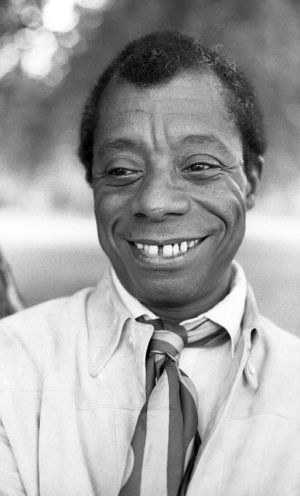
Photo by Allan Warren (Own work) CC BY-SA 3.0 or GFDL, via Wikimedia Commons
Over at Escape Into Life, I have a new “Accidental Critic” review posted, reflecting on the film “I Am Not Your Negro.” Now playing in downtown Chicago and coming in May to Oak Park (for one day only), “I Am Not Your Negro” is based on author James Baldwin’s notes for an unfinished project in which he planned to examine the slayings of Medgar Evers, Malcolm X, and Martin Luther King Jr. – all friends of his. Continue reading
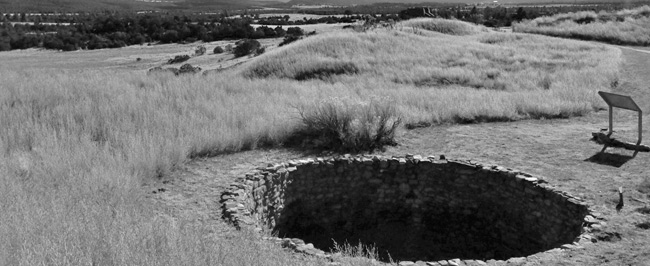 I’m no poet, but a reader of both poetry and the news. Sometimes they don’t seem so far apart. Here, a found poem, based on excerpts from original reporting in The New York Times and Chicago Tribune. Continue reading
 Just back from seeing “I Am Not Your Negro” at the Gene Siskel Film Center (highly recommended), I’m pondering, not for the first time, how history is created and shaped. In the true sense, history is, of course, what has happened. But those who tell the narrative get to define the narrative, so history as we know it can be quite different from the actual events that happened.
This is nothing new, of course. Those who die in battle don’t own the narrative of war. Those who hold power have the luxury of being able to tell their version of events and have that telling accepted as authoritative. There’s nothing inherently sinister in this, just, perhaps…distorting.
What has me pondering this is a segment in “I Am Not Your Negro” where Baldwin (whose writings are narrated by Samuel L. Jackson) declares that so much has been said about author/playwright Lorraine Hansberry’s meeting with Robert F. Kennedy that Baldwin feels compelled to address what really happened. Long story short, in a meeting to discuss civil rights and race relations, Hansberry was so disappointed and disheartened by Kennedy’s response that at one point she verbally dressed him down, then walked out of the room. Continue reading